Home / Buyer Guides / Sportswear Fabric Guide
Sportswear Fabric Guide: Choosing the Best Fabric for Activewear
How polyester, nylon, spandex, mesh, cotton and fleece behave in real garments, and how to choose the right fabric and weight for each product and sport.
Updated November 2026 · Villgro Wears production team, Sialkot
On this page
Key points
- Most performance sportswear uses polyester or nylon, blended with spandex for stretch.
- Choose fabric by the activity first, then by feel, weight (GSM) and price.
- Sublimation printing needs polyester-rich fabric; cotton suits casual and lifestyle pieces.
- Always approve fabric, color and weight on a physical sample before bulk production.
What makes a good sportswear fabric
A sportswear fabric has to do more than look good. It needs to move with the body, manage sweat and keep its shape wash after wash. When you assess a fabric, check five properties:
- Moisture management: how quickly it moves sweat away from the skin and dries.
- Stretch and recovery: whether it stretches comfortably and returns to shape without bagging.
- Breathability: how well air passes through, which matters for running, team sports and hot climates.
- Durability: resistance to pilling, abrasion and repeated washing.
- Hand feel and opacity: softness against the skin and, for leggings, no see-through when stretched.
No single fabric is best at everything, which is why most activewear uses blends.
The main sportswear fabrics compared
| Fabric | Key properties | Typical products |
|---|---|---|
| Polyester | Quick-drying, durable, holds color, sublimation-ready | Jerseys, training tops, team uniforms |
| Polyester-spandex | Stretch, shape retention, moisture-wicking | Compression wear, leggings, shorts |
| Nylon-spandex | Soft, smooth, strong, premium feel | Premium leggings, sports bras, yoga wear |
| Polyester mesh | Very breathable, light | Basketball and soccer kits, panels, linings |
| Cotton and cotton-poly | Comfortable, natural feel | T-shirts, casual and lifestyle wear |
| Fleece and French terry | Warm, soft inside | Hoodies, joggers, tracksuits |
You can see the full range we work with on our fabrics and materials page.
Polyester: the everyday performance fabric
Polyester is the most widely used fiber in sportswear. It is light, strong, dries quickly and does not absorb much water, so it stays comfortable during hard training. It also holds dye well and is the only practical base for sublimation, where full-color designs are printed into the fabric rather than on top of it.
Plain polyester can feel less soft than nylon and may hold odor if it is not treated. Brushed finishes, micro-polyester yarns and anti-odor treatments improve comfort. Recycled polyester is available for many products, depending on quantity.
Nylon and spandex: stretch and support
Nylon is smoother and softer than polyester and has excellent abrasion resistance, which is why it is common in premium leggings and sports bras. It usually costs more and is less suitable for sublimation.
Spandex (also called elastane or Lycra-type fiber) is never used alone. It is blended in small amounts to add stretch and recovery:
- 5–10% spandex: comfortable stretch for training tops and shorts.
- 15–25% spandex: firm compression and support for leggings, compression wear and sports bras.
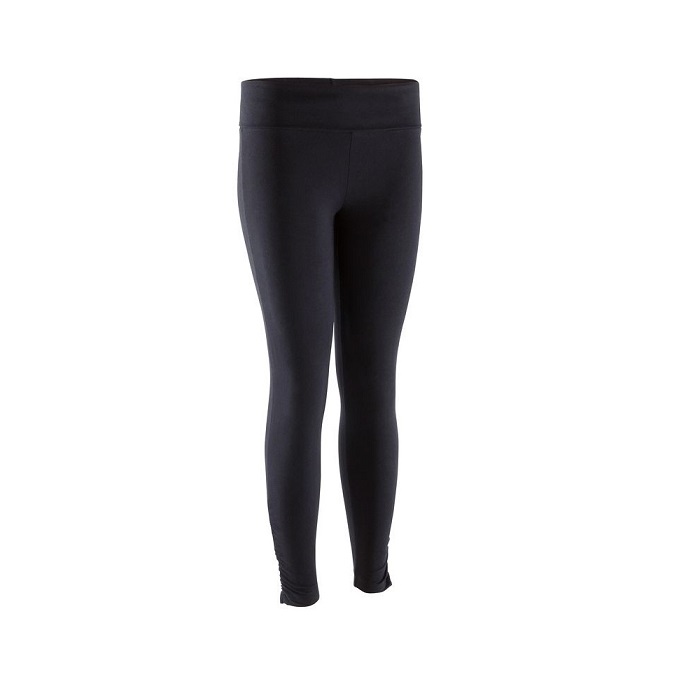
Higher spandex content gives stronger compression and better shape retention, but also a higher price. For compression products, ask for four-way stretch and check recovery after the sample is washed.
Understanding fabric weight (GSM)
GSM means grams per square meter. It describes the weight of the fabric, not its quality, but it strongly affects how a garment feels, performs and costs. The ranges below are typical starting points; the right choice depends on the design and the climate.
| Product | Typical GSM range | Why |
|---|---|---|
| Sublimated jerseys | 130–170 | Light and breathable for match play |
| Training T-shirts | 140–180 | Balance of comfort and durability |
| Compression wear | 180–240 | Firm support with full stretch |
| Leggings | 220–300 | Opaque when stretched, holds shape |
| Hoodies and joggers | 280–380 | Warmth and a substantial feel |
If you do not know the GSM you need, send a garment you like or describe the feel you want. We recommend options and confirm them with a sample.
Matching fabric to the sport
Running and training
Light polyester or polyester-spandex knits with mesh panels in high-sweat zones keep athletes dry and cool.
Gym and compression
Polyester-spandex or nylon-spandex with higher spandex content for support, flatlock seams to prevent chafing, and fabric that stays opaque when stretched.
Team sports
Durable polyester or polyester mesh that survives a full season and carries sublimated names, numbers and sponsor logos. See our team uniform manufacturing service.
Cycling
Close-fitting stretch knits, breathable mesh, silicone grippers at the hems, and padded shorts for comfort on longer rides.
Yoga and studio
Soft nylon-spandex or brushed knits with a smooth hand feel and full coverage in every pose.
Fabric and printing method
Your branding method should match the fabric. Sublimation works only on light-colored, polyester-rich fabric and gives full-color designs that do not crack or peel. Screen printing and heat transfer suit cotton and darker fabrics. Embroidery suits heavier fabrics such as fleece and polo piqué, but can pucker very light stretch knits. Our sublimation printing and branding and embroidery pages explain each method.
Checking fabric quality before bulk
Fabric problems are expensive to fix once bulk production has started. Before you approve, check the sample for:
- Color against your Pantone reference in daylight.
- Shrinkage and shape after two or three washes.
- Opacity when stretched, especially for leggings.
- Pilling after rubbing and wear.
- Colorfastness: no bleeding when washed with white fabric.
Approving the sample in the actual production fabric is the best protection. Our quality control process checks fabric on arrival and again during production. If you are still choosing a supplier, read our guide on how to choose a sportswear manufacturer.
Questions about sportswear fabrics
What is the best fabric for sportswear?
For most performance sportswear, polyester-spandex is the best all-round choice: it dries quickly, stretches, holds its shape and is affordable. Nylon-spandex is the premium option for leggings and sports bras.
Is cotton good for activewear?
Cotton is comfortable for casual wear and light activity, but it absorbs sweat and dries slowly, so it is not ideal for intense training. Cotton-polyester blends are a practical middle ground.
What GSM is best for leggings?
Most leggings use fabric between 220 and 300 GSM. Heavier fabric stays opaque and gives more support; lighter fabric feels cooler for running.
Which fabric is needed for sublimation printing?
Sublimation needs light-colored fabric with high polyester content. The higher the polyester percentage, the brighter and more durable the print.
Can you match a fabric I already use?
Yes. Send a sample garment or a fabric swatch and we will source the closest match in weight, composition and feel, then confirm it with a sample.
Need help choosing a fabric?
Send us your product idea or a reference garment. We will recommend fabric options and confirm them with a physical sample before production.