Home / Buyer Guides / How to Choose a Sportswear Manufacturer
How to Choose a Sportswear Manufacturer
A practical guide for brands, teams and retailers comparing sportswear factories: what to check, what to ask, and how to place a first order with confidence.
Updated November 2026 · Villgro Wears production team, Sialkot
On this page
Key points
- Shortlist factories that already make your product type, not general garment shops.
- Compare quotes on the same specification: fabric, GSM, sizes, branding and packing.
- Never skip the physical sample. It is the standard the bulk order is checked against.
- Ask how quality is checked, who owns your designs, and how problems are resolved.
Start with a clear brief
The right manufacturer for a compression line is rarely the right one for a hunting glove or a soccer kit. Before you contact anyone, write down what you need in one page. A clear brief gets you accurate quotes and shows a factory that you are a serious buyer.
- Products and styles: for example, sublimated soccer jerseys and shorts, or leggings and sports bras.
- Quantities: pieces per style and color, split by size if you know it.
- Fabric and feel: a GSM, a reference garment, or a description such as “light, quick-drying, four-way stretch”.
- Branding: logo method (screen print, sublimation, embroidery, heat transfer), position and size.
- Labels and packing: neck labels, hang tags, polybags, barcodes.
- Target price and delivery date: including the market you sell in, such as the USA or Europe.
If you have a tech pack, send it. If not, sketches and photos of similar products are enough to start; a capable factory can help turn them into a specification. Our OEM manufacturing page explains how that works.
Match the factory to the product
Sportswear is a broad term. Stretch knits, sublimated polyester, fleece and leather all need different machines and skills. A factory that sews T-shirts well may struggle with flatlock seams on compression wear or the panel work on a cycling jersey.
Ask to see products the factory has already made in your category, and ask which processes happen in-house. Cutting, stitching, printing and finishing under one roof usually means better control over quality and timing than a supplier that sends every step to subcontractors. You can see how we organize this on our in-house production page.
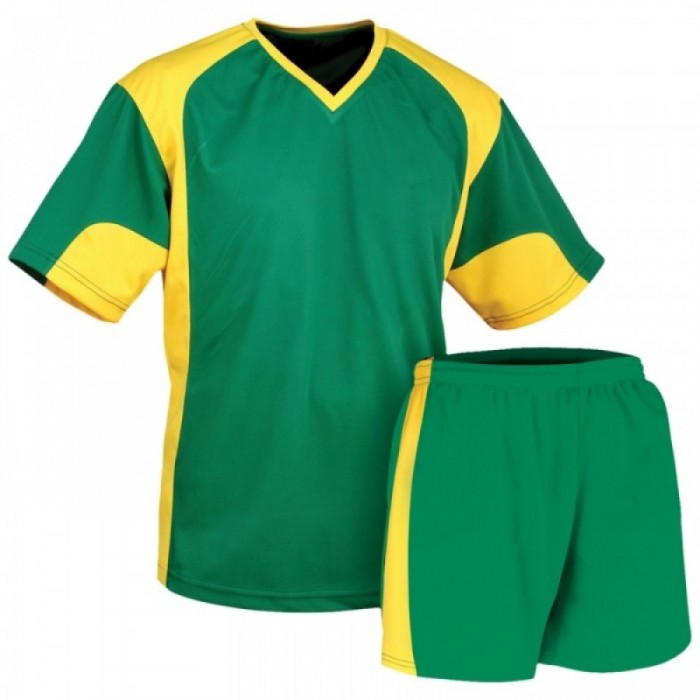
Location matters as well. Sialkot in Pakistan, for example, has a long history in sports goods, gloves and team uniforms, while other regions specialize in fashion basics or technical outerwear. Choose a region and a factory with depth in what you sell.
Understand MOQ and pricing
Minimum order quantity (MOQ) is the smallest order a factory accepts, usually per style and per color. It exists because every new order needs setup: pattern work, fabric sourcing, marker making and line preparation. Lower MOQs make it easier to test a market; higher MOQs usually bring a lower unit price.
| Order size | Typical effect on unit price | Good for |
|---|---|---|
| 50–200 pcs per style | Highest unit price; setup costs spread over fewer pieces | New brands, teams, market tests |
| 200–1,000 pcs | Noticeably lower; better fabric pricing | Growing brands, repeat styles |
| 1,000+ pcs | Lowest; full production efficiency | Established lines and retailers |
When you compare quotes, check that every factory is pricing the same thing. Differences in fabric weight, trims, branding method, packing and shipping terms (EXW, FOB or delivered) can explain a large gap in price. At Villgro Wears the MOQ is 50 pieces per style and color, which suits first orders and team uniforms.
Judge the factory by its sample
Photos and specification sheets can only show so much. The physical sample is where fit, fabric, color and branding are confirmed, and the approved sample becomes the standard for the whole order.
- Check the fit on a real person in your target size range, not only on a table.
- Stretch, wash and wear the sample. Look at seams, cuffs and waistbands after washing.
- Compare the color with your Pantone reference in daylight.
- Confirm the logo size, position and finish before you approve.
Expect to pay for development samples on custom work; the cost is normally confirmed before work starts. Our sampling and bulk production page shows a typical schedule of 7–10 days for a sample.
Check how quality is controlled
Ask the factory to describe its quality process in plain terms. A reliable manufacturer checks fabric when it arrives, inspects garments during sewing, and runs a final inspection before packing. Measurements should be checked against your size chart, not an internal standard.
You should also be able to receive photos or video before shipment and, for larger orders, arrange a third-party inspection. If a supplier resists either request, treat it as a warning sign. You can read how we approach this on our quality control page.
Lead times and capacity
A realistic timeline is more useful than a fast promise. For custom sportswear, a common pattern is one to two weeks for sampling, then three to six weeks for bulk production, plus shipping. Special fabrics, custom-dyed colors and complex branding add time.
Ask how many pieces the factory produces per month and how your order fits into its schedule, especially before peak seasons such as spring sports and the back-to-school period. Plan your launch date backwards from delivery, and leave a margin for one round of sample changes.
Communication, design ownership and trust
Most problems in manufacturing start as small misunderstandings. Choose a partner who replies clearly, confirms details in writing and tells you early when something changes.
- Design ownership: for OEM work your designs remain yours. Ask for an NDA if your designs are not yet public.
- Transparency: a factory visit by appointment or a live video tour shows how the facility really works.
- Payment terms: a deposit with the balance before shipping is common. Agree on what happens if goods do not match the approved sample.
If you are still deciding which production model suits you, read our guide to OEM vs ODM vs private label.
Questions to ask before you order
- Which of your current products are closest to mine, and can I see samples?
- Which processes are done in-house, and which are subcontracted?
- What is your MOQ per style and color, and how does price change with quantity?
- What does a sample cost, and how long does it take?
- How do you check quality, and can I receive photos or video before shipping?
- Will you sign an NDA, and who owns the patterns and designs?
- What is the production lead time after sample approval?
- Which shipping options do you offer to my country?
A good manufacturer will answer these questions directly. If you want to compare our answers with others, send us your brief through the quote form.
Questions about choosing a manufacturer
What is a good MOQ for a new sportswear brand?
For a first collection, an MOQ between 50 and 200 pieces per style is manageable for most new brands. It lets you test demand without tying up too much stock. Villgro Wears accepts 50 pieces per style and color.
Do I need a tech pack to work with a manufacturer?
A tech pack speeds things up and reduces mistakes, but it is not essential for a first enquiry. Sketches, photos and a reference garment are usually enough for a factory to quote and prepare a sample.
How many manufacturers should I contact?
Three to five is usually enough. Send the same brief to each so the quotes are comparable, then order samples from the two that answer most clearly.
How do I protect my designs?
Work with a factory that will sign an NDA, share files only when needed, and keep a record of approved samples and specifications. For OEM production your designs remain your property.
Is it safe to order sportswear from Pakistan?
Yes, when you work with an established exporter and follow normal checks: approve a physical sample, agree on payment terms, request photos or video before shipping, and use third-party inspection for larger orders.
Send us your brief
Share your product, quantity and target market. We will reply with options, a price and a realistic timeline, usually within one business day.