Home / Buyer Guides / OEM vs ODM vs Private Label
OEM vs ODM vs Private Label: Which Model Fits Your Brand?
Four production models, explained in plain terms: who designs the product, who owns it, what it costs to start, and how long it takes to reach the market.
Updated November 2026 · Villgro Wears production team, Sialkot
On this page
Key points
- OEM: you supply the design and own it; the factory produces to your specification.
- ODM: the factory supplies a ready design that you adapt and sell under your brand.
- Private label: an existing product made with your labels, branding and packaging.
- White label: a standard product with minimal branding, fastest and lowest cost to launch.
The four models at a glance
These terms are often used loosely, and different suppliers define them slightly differently. The simplest way to tell them apart is to ask two questions: who creates the design, and how much of the product is unique to you.
| Model | Who designs | Uniqueness | Time to market | Best for |
|---|---|---|---|---|
| OEM | You (tech pack or samples) | Fully unique | Longest: development + sampling | Brands with their own designs |
| ODM | Factory, adapted by you | Partly unique | Medium | Brands that want speed with some customization |
| Private label | Factory base product, your branding | Unique branding, shared base | Short | New brands and retailers |
| White label | Factory standard product | Minimal | Shortest | Fast launches, promotional lines |
None of these is better in every case. The right choice depends on your budget, your timeline and how important product differentiation is to your brand.
OEM manufacturing: your design, made to specification
In OEM (original equipment manufacturer) production, you provide the design: a tech pack, sketches, a reference garment or detailed photos. The factory develops patterns, sources the fabric and trims you specify, makes a sample for approval, and then produces the bulk order to that standard.
Advantages: full control over fit, fabric and details, and a product nobody else sells. Your designs and specifications remain your property, which matters as the brand grows.
Trade-offs: more development time and usually more sampling rounds. You need a clear idea of what you want, or a partner that can help you document it. Read more on our OEM manufacturing page.
ODM manufacturing: start from a proven design
With ODM (original design manufacturer) production, the factory already has a developed product, such as a compression shirt, a training jacket or a cycling jersey. You choose a base style and adapt it: colors, fabric options, trims, logos and sometimes small changes to the cut.
Advantages: faster development and lower setup cost, because patterns and construction are already tested.
Trade-offs: the base design is not exclusive to you, and the factory usually keeps ownership of the original pattern. Agree in writing which changes are yours. See our ODM manufacturing service for details.
Private label: your brand on an existing product
Private label production takes a product the factory already makes and finishes it as your own: your logo on the garment, your woven neck label, hang tags, care labels and packaging. The construction stays largely the same, but the product reaches the customer as your brand.
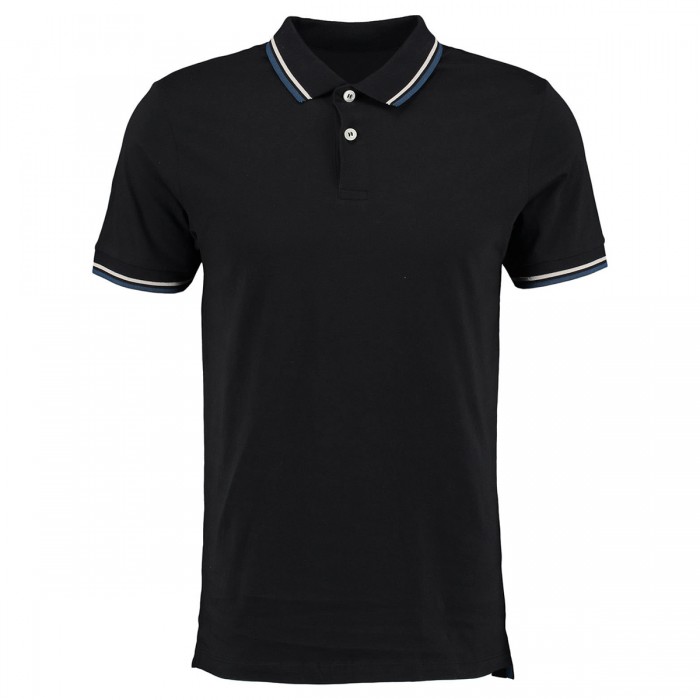
This is the most common route for new sportswear and activewear brands, gyms and online retailers. Startup costs are modest, and with a low MOQ you can test several styles before committing to larger runs. Our private label manufacturing page covers the labeling and packaging options.
White label: the fastest route to market
White label products are standard items made with little or no customization beyond a simple logo or label. The same base product may be sold by several companies at once.
It suits promotional runs, event merchandise and retailers who need stock quickly. The trade-off is clear: very little differentiation and limited control over specification. If you plan to build a long-term brand, most companies move from white label to private label or OEM as volumes grow. See our white label manufacturing options.
How to choose the right model
Work through these questions in order. The first answer that applies usually points to the right model.
- Do you have your own designs or a tech pack? Choose OEM.
- Do you want a unique product but need to launch within a season? Start with ODM and adapt a proven base.
- Is your priority brand identity, with a limited first budget? Private label is the practical choice.
- Do you need stock quickly for an event or promotion? White label is enough.
Many brands combine models: private label basics such as T-shirts and hoodies alongside OEM hero products that define the brand. Starting with private label and moving key styles to OEM later is a common and sensible path.
Costs, MOQ and timelines
Development effort is the main difference in cost. OEM needs pattern making and usually more than one sample, so setup costs and lead times are higher. Private label and white label reuse existing patterns, so you mainly pay for fabric, branding and labor.
At Villgro Wears, all four models start at 50 pieces per style and color. A typical sample takes 7–10 days and bulk production about 3–4 weeks after approval; OEM projects may need an extra sample round. Details are on our sampling and bulk production page.
Protecting your designs and brand
Whichever model you choose, agree on ownership before production begins. For OEM work your designs remain yours, and an NDA can be signed on request. For ODM work, confirm in writing which modifications are exclusive to you. For private label, make sure your logo files and label artwork are used only on your orders.
If you are still comparing suppliers, our guide on how to choose a sportswear manufacturer lists the questions worth asking.
Questions about production models
What is the difference between OEM and ODM?
In OEM production you supply the design and own it. In ODM production the factory supplies a ready design that you customize, and the factory normally keeps ownership of the base pattern.
What is the difference between private label and white label?
Private label products are finished with your own branding, labels and packaging, often with some customization. White label products are standard items with minimal branding that may be sold by several companies.
Which model is best for a new sportswear brand?
Most new brands start with private label because it is affordable and quick. Once a few styles prove themselves, moving the key products to OEM gives you a design nobody else sells.
Can I switch from private label to OEM later?
Yes. Many brands begin with private label and move their best sellers to OEM. Your sales feedback helps define the specification for the new design.
Is the MOQ different for each model?
At Villgro Wears the MOQ is 50 pieces per style and color for OEM, ODM, private label and white label orders.
Not sure which model fits?
Tell us what you want to make and when you plan to launch. We will recommend a production model and send a quotation to match.